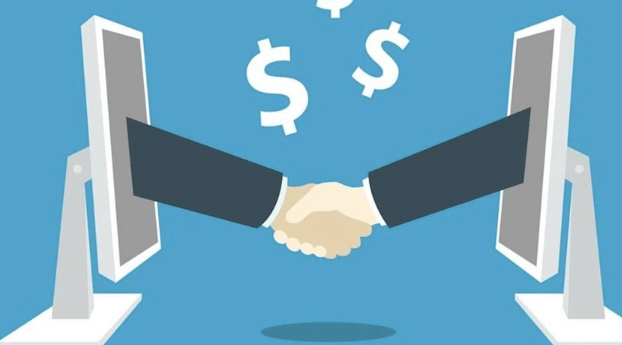
Peer-to-peer lending technology coordinates onboarding, underwriting, and repayment through modular microservices. Data provenance ensures auditable records, while credit signals become risk signals guiding decisions. Distributed architectures improve latency, resilience, and scalability, enabling autonomous governance and transparent fee structures. Privacy safeguards and access controls underpin trust, even as performance metrics and diversification strategies shape participation. The framework invites scrutiny of risk, cost, and governance trade-offs, leaving open questions about implementation and oversight that merit closer examination.
How P2P Lending Works: Core Architecture and Data Flows
P2P lending platforms operate as networked marketplaces that connect borrowers with individual lenders, bypassing traditional financial intermediaries. Core architecture comprises modular microservice API layers, orchestrating loan onboarding, underwriting, and repayment events. Data provenance ensures traceable origin of every record, enabling auditability and compliance. Flows map credit signals into risk signals, while distributed services optimize latency, resilience, and scalability, supporting autonomous platform governance and freedom-oriented financial participation.
Evaluating P2P Platforms: Risk Scoring, Fees, and Transparency
Evaluating P2P platforms requires a clear assessment of risk scoring, fee structures, and governance transparency in the context of previous discussions on core architecture and data provenance.
The analysis focuses on risk scoring validity, fee structure clarity, and transparency issues, including platform fees and borrower verification.
Data privacy safeguards and consistent disclosure support buyer confidence without compromising scalable, data-driven decision processes.
Regulatory and Security Safeguards in P2P Lending
The analysis focuses on regulatory safeguards, governance rigor, and risk-based controls, comparing platform practices to industry norms.
Data integrity, auditability, and access controls drive trust, while security safeguards emphasize encryption, monitoring, and rapid breach containment for investor confidence.
Practical Guide: Getting Started as a Borrower or Investor
This practical guide outlines the concrete steps for individuals seeking to participate as borrowers or investors in peer-to-peer lending platforms, building on the governance and security considerations discussed previously.
It analyzes lender borrower dynamics, outlines verification workflows, and emphasizes transparent risk assessment.
It presents loan diversification strategies, platform metrics, and capital allocation techniques to enable informed, freedom-oriented participation with minimized downside.
Frequently Asked Questions
How Do P2P Lenders Handle Borrower Default Recovery Processes?
Default recovery strategies prioritize early delinquency signals, automated communications, and standardized loan collection workflows, enabling rapid escalation to restructuring or settlements. Analysts note data-driven adjustments, risk-based prioritization, and compliant practices shaping borrower outcomes and portfolio performance.
Can P2P Platforms Diversify Risk Across Loans Effectively?
Diversification efficacy appears modest; risk correlation persists across platforms. Juxtaposed outcomes show some attenuation with broad asset pools, yet tail events link borrower cohorts. Overall, p2p platforms reduce idiosyncratic risk, but systemic exposure remains a concern.
What Is the Typical Tax Treatment for P2P Earnings?
Tax treatment varies by jurisdiction, but generally earnings from P2P platforms are taxable; interest income is reported as ordinary income, while capital gains may apply on principal recoveries. Tax reporting obligations depend on platform-issued 1099 forms and records.
Do Platforms Use Artificial Intelligence for Fraud Detection?
Platforms increasingly rely on AI fraud detection, reducing default-related losses by up to 20% in some datasets. This approach, alongside platform risk scoring, enhances risk management, though models may underperform with novel fraud patterns.
See also: Payment Security Technologies
How Do Cross-Border P2P Lending Regulations Vary Globally?
Cross-border regimes vary widely, with differing licensing thresholds and supervisory approaches. Cross border licensing requirements often apply to platforms and partners, while data privacy and AML standards shape compliance costs and operational flexibility for global P2P lenders.
Conclusion
In sum, the P2P lending landscape resembles a calibrated orchestra: data provenance conducts risk signals, modular services tempo the flow of capital, and transparent disclosures keep stakeholders aligned. Platforms that harmonize underwriting analytics with robust privacy and access controls tend to demonstrate steadier repayment patterns and clearer fee structures. Yet, as with all modern ecosystems, vigilance remains essential—regulatory guardrails, diversified portfolios, and rigorous governance serve as the quiet metronomes that sustain long-term confidence.


 By
By