Payment gateway technologies coordinate authorization and settlement between merchants, banks, and card networks with strict governance. They rely on encryption, tokenization, and secure transmission to protect data in transit and at rest. Fraud controls and compliance checks operate continuously, with auditable logs guiding onboarding and risk decisions. The end-to-end flow from checkout to settlement is mapped and monitored, ensuring transparency and resilience. For those assessing controls, the implications become clearer as gaps and opportunities emerge.
What a Payment Gateway Actually Does
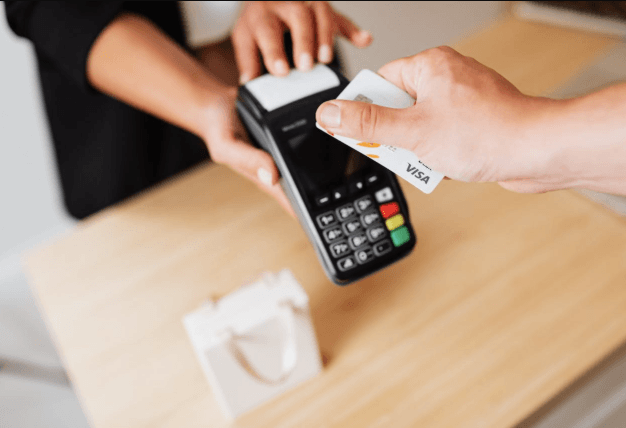
A payment gateway acts as the intermediary that authorizes and processes transactions between a merchant’s system and the bank or card networks. It enforces compliance checks, routes approvals, and logs events for audit trails. It supports merchant onboarding and monitors the merchant mix to balance risk, performance, and fraud controls, ensuring secure, compliant, auditable payment flows while preserving operational freedom.
The Core Technologies: Encryption, Tokenization, and Secure Transmission
Encryption pitfalls and tokenization limitations require rigorous controls, rigorous auditing, and ongoing risk assessment to ensure resilient, compliant operations without compromising freedom to innovate in transactional ecosystems.
Fraud Prevention and Compliance: Keeping Transactions Trusted
Fraud prevention and compliance establish the guardrails that sustain trust in payment ecosystems. The approach is risk-aware, methodical, and auditable, emphasizing early detection and containment of anomalous activity.
Security auditing remains ongoing, verifying controls, logs, and access.
PCI compliance frames rigorous standards, ensuring data protection, governance, and accountability across merchants and gateways without compromising operational freedom.
The Payment Flow: From Checkout to Settlement
How does the payment flow transition from checkout to settlement with auditable precision? The narrative traces capture, authorization, and risk checks within Payment gateway architecture, ensuring immutable event logs.
It then moves through clearing, funding, and reconciliation, concluding with settlement confirmations. Merchant onboarding aligns data, roles, and permissions, preserving transparency, control, and auditable traceability for freedom-minded stakeholders.
Frequently Asked Questions
How Do Payment Gateways Affect Checkout Speed for Customers?
Checkout speed is influenced by gateway latency and network conditions, affecting customer patience. The analysis identifies latency impact on user experience, guiding checkout speed optimizations and risk-aware, auditable decisions for freedom-loving stakeholders.
What Are Hidden Fees in Gateway Transactions and Settlements?
Hidden fees in gateway transactions and settlements include undisclosed surcharges, processing penalties, and markup charges. Settlement delays may arise from batch processing, reserve holds, or reconciliations. The audit trail highlights risk, transparency gaps, and equitable disclosure for freedom-minded users.
Can Gateways Work With Non-Card Payment Methods Globally?
Gateways can support non-card methods globally, though success hinges on vendor flexibility and regional compliance; irony surfaces as tangled rules meet streamlined ambitions. The analysis notes gateway integration and cross border support, with auditing-like risk controls guiding freedom-focused decisions.
How Do Gateways Handle Refunds and Chargebacks Internally?
Gateways internalize refunds through a structured refunding workflow, updating dashboards and audit logs; chargeback handling follows a defined lifecycle with timed alerts, evidence requests, and status revisions, prioritizing compliance, risk awareness, and transparent operational freedom.
See also: mrmeasurements
What Uptime SLAS Do Gateways Guarantee for Merchants?
Uptime SLAs vary by provider, but many gateways guarantee 99.9% to 99.99% monthly availability, with compensations. The merchant guarantees strong incident response, audit logs, and transparent reporting to verify uptime commitments and breach handling.
Conclusion
In sum, payment gateways orchestrate secure, auditable, end-to-end transaction flows, balancing rapid authorization with rigorous risk controls and regulatory compliance. Core technologies—encryption, tokenization, and secure transmission—anchor trust, while immutable logs enable governance, forensics, and continuous improvement. A hypothetical case: a mid-sized retailer detects anomalous token reuse and triggers an automatic risk assessment, halting settlement and initiating a detailed audit trail. This disciplined, transparent approach preserves stakeholder confidence and supports scalable, compliant growth.

 By
By